High-redshift quasars
Quasars at z > 4.5 are our closest look at the first billion years of the universe. They tell us how supermassive black holes grew so large so early, what the galaxies around them were made of, and when the intergalactic gas was reionized. The problem is finding them: they are rare, and at these distances they look almost identical to the far more numerous cool stars in our own galaxy. Spectroscopy is the only certain confirmation, but it is far too expensive to run on every candidate, so the work begins with photometry and careful selection.
Three projects make up this line of work.
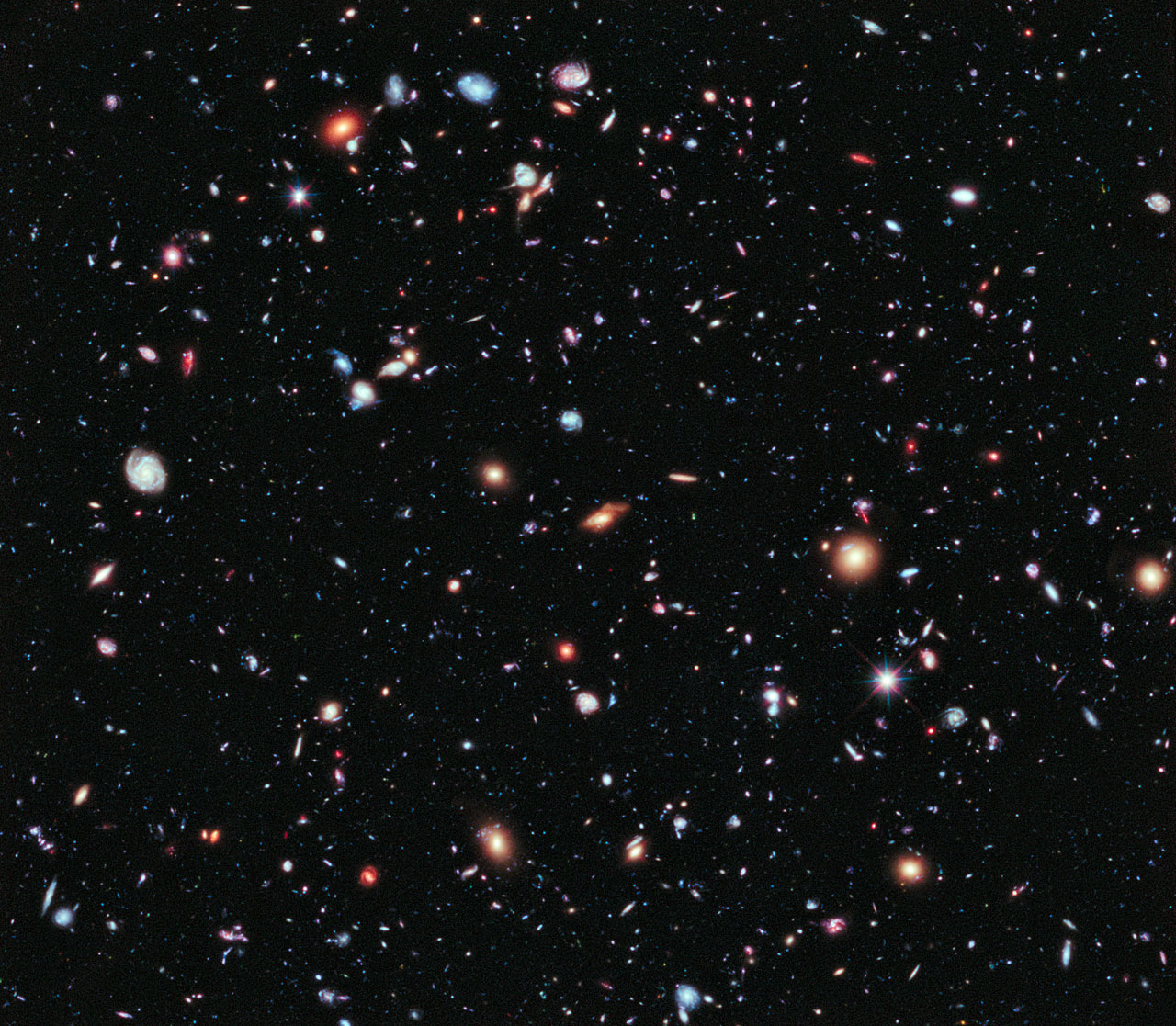
Selecting quasars with SED fitting for 4MOST ChANGES
An SED fitting code I developed picks out candidates at 4.5 < z < 7 from large photometric surveys, in the southernmost sky where almost nothing had been searched before. The result is a catalog of around 6,000 candidates.
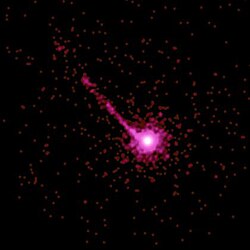
Radio-loud quasars at z > 5
Follow-up at Palomar and Gemini North confirmed three radio-loud quasars at z > 5, the jetted sources hardest to explain this early. Radio, infrared and optical data are fitted together to rank what to observe next.
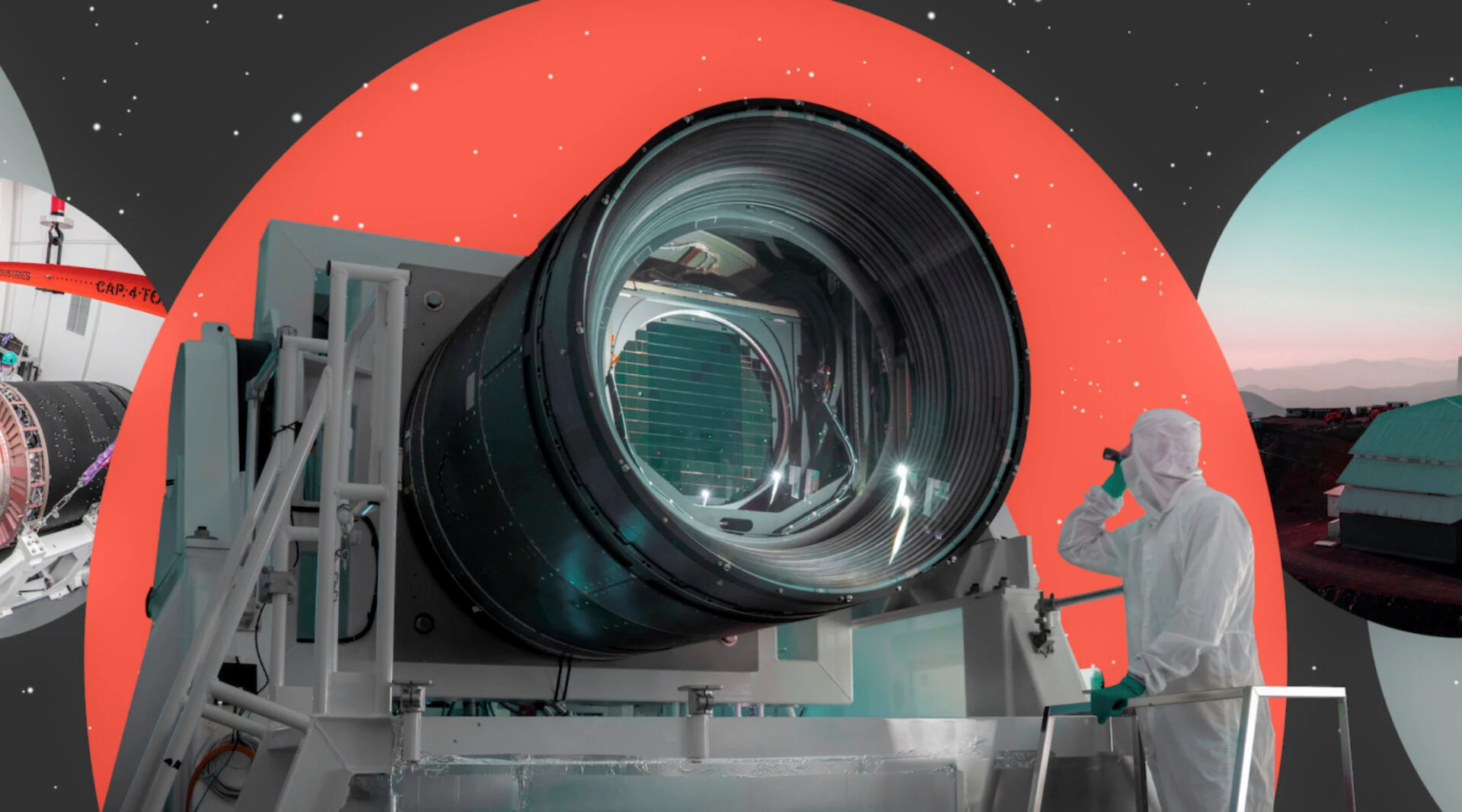
Simulating a dataset of AGN with LSST
Rubin, Euclid and Roman will image the sky deeper and wider than anything before, but only if photometric redshift methods keep up. I am building a mock catalog of AGN at LSST depth to test them.